Sunday, May 24, 2015

Exploring nature in the Paraguayan countryside


 Laguna Blanca
Over our last holiday weekend, we took a trip with about twenty other teachers to a camping area we had been wanting to visit for quite a while: Rancho Laguna Blanca.  The area is a private reserve that does conservation work and hosts campers.  They also offer meals and have a couple of simple cabins.  It turned out to be a great place to camp, hike, and swim.


 Fuzzy caterpillar and butterfly we encountered on a walk near camp.


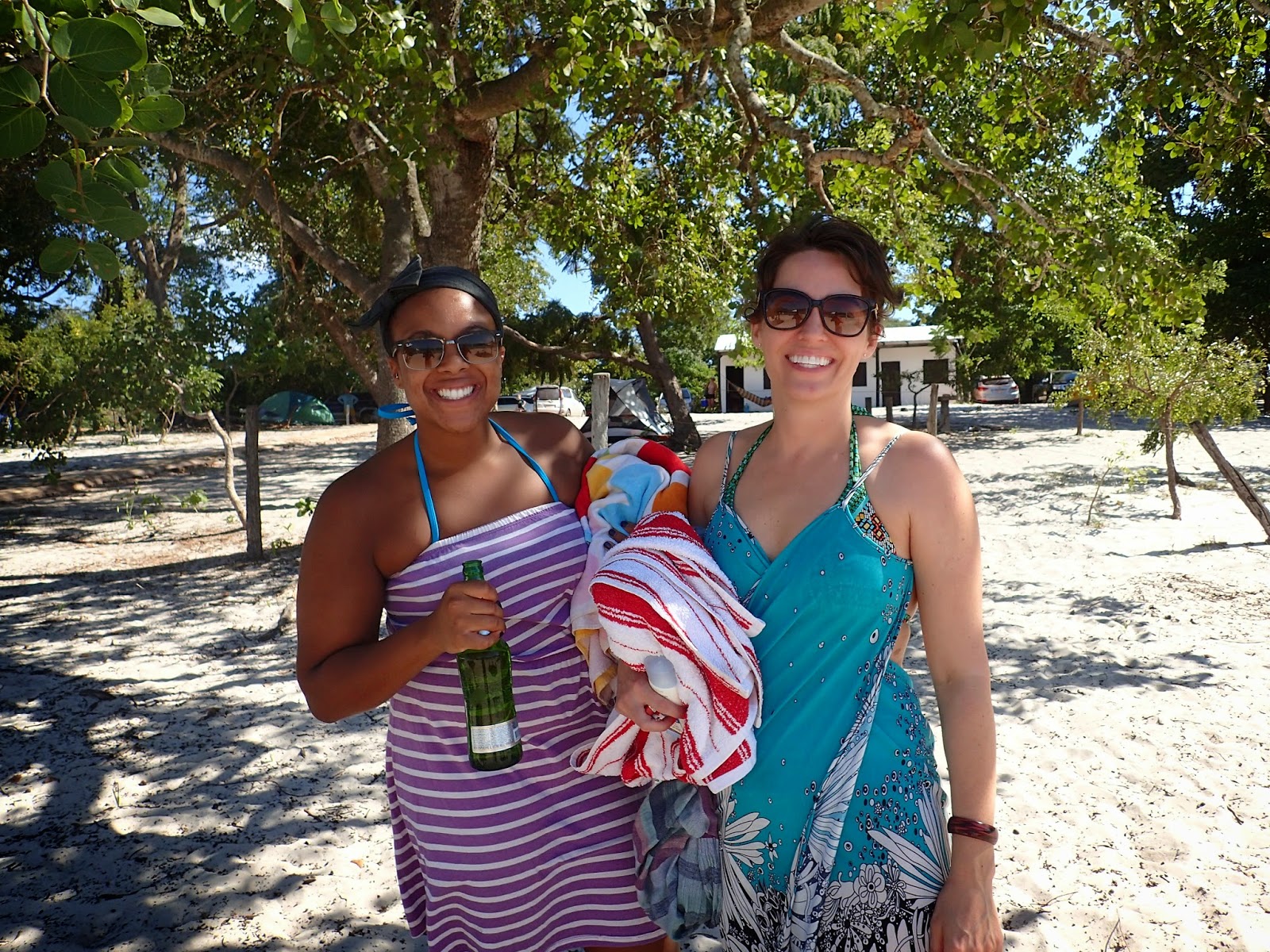
Kristi and Neil and our roommates Elesa and Baranda enjoying the beach.


Our friends Linnea and Brian kayaking and Dave fishing.


San Ber


Last weekend we decided to take advantage of the fall weather to go on another camping trip. Timing camping trips in Paraguay is tricky.  Hot weather makes it difficult to sleep outdoors for much of the year and frequent rain storms followed by flooding can result in camping in calf-deep water.  To the left: bridge construction on the road passing through Parque National Yparcari.

For us, driving through the countryside is often the most enjoyable part of our trips around Paraguay.  The countryside is beautiful almost every where you go here.  The quaint towns and extensive cattle country often give the impression that we have traveled back in time.  Bad roads, bad weather, and police checkpoints can make road tripping around an unpredictable adventure.  Generally, things work out fine and encountering unexpected stuff is part of the fun. Driving to San Bernadino around the north end of Lago Ypacarai, we found this bird observation area that had an elevated viewing platform, binoculars, and two canoes available.


 We found a nice campground right on the lake just a few minutes north of San Bernadino called Brisas Del Mediterraneo.  This place is great because it's only about an hour from our house.  While we were drinking coffee in the morning this fox appeared in the campground and paused for a photo.


The next day had a lot of rain in the forecast, so we packed up and went into the towns of San Ber (where some folks had brought their monkey for the weekend) and Altos.  From Altos we took a particularly beautiful drive through the hills 
to an ostrich farm near the town of Nueva Colombia.


Mbuni

Mbuni (which means ostrich in Swahili) is a working ostrich farm and has a very nice restaurant, cabanas, and rooms.  They also sell ostrich meat, eggs, and all sorts of crafts made from ostrich feathers and leather.
Mbuni Page


They also have a farm pond full of tilapia.  I caught a few before heading back to the city and we had a very eclectic diner of grilled ostrich and tilapia.


Epiphytic plants: Mbuni

Flowering plant: Mbuni

Monday, April 20, 2015

Bolivia: La Paz and Isla del Sol

Once again we are way behind on our travel blog.  These pictures go back to January when we were finishing our travels through Bolivia on our way to Peru.


Pedestrian walkway overlooking La Paz.

A girl feeds pigeons in the central plaza, La Paz


Llama fetuses from the Witch's Market in La Paz.  They are sometimes buried under fields or buildings for good luck.


A gateway at Tiawanaku, a pre-Columbian civilization near La Paz.


Lake Titicaca from Isla del Sol, Bolivia.


Panda bear fat, also from the Witch's Market.  I don't recall the specific curative properties.
Stone blocks from Tiawanaku.
Lake Titicaca and Copacabana, Bolivia


Sunday, April 12, 2015

Curacao, The Dutch Caribbean

I was lucky to be invited to represent my school at the annual conference for South American international teachers on the island of Curacao, part of the Dutch Caribbean.  After the conference, Matt, myself, and a friend from school were able to stay and vacation on the island.

We spent a week in a house on the NW part of the island.  My aunt and uncle flew down to spend some time with us...apparently dushi means nice or simpatico in Papiamentu  (a Caribbean language that is a mixture of Dutch, English, Spanish, Portuguese, and American Indian).

Wilemstaad: Curacao's main city.

Dawn in Westpunt.


 Matt went fishing with this local fisherman in his boat which was about the size of a bathtub.  They did not catch many fish but did see a lot of dolphins and had a nice time on the water.
We had a lot of beach time and did some snorkeling.


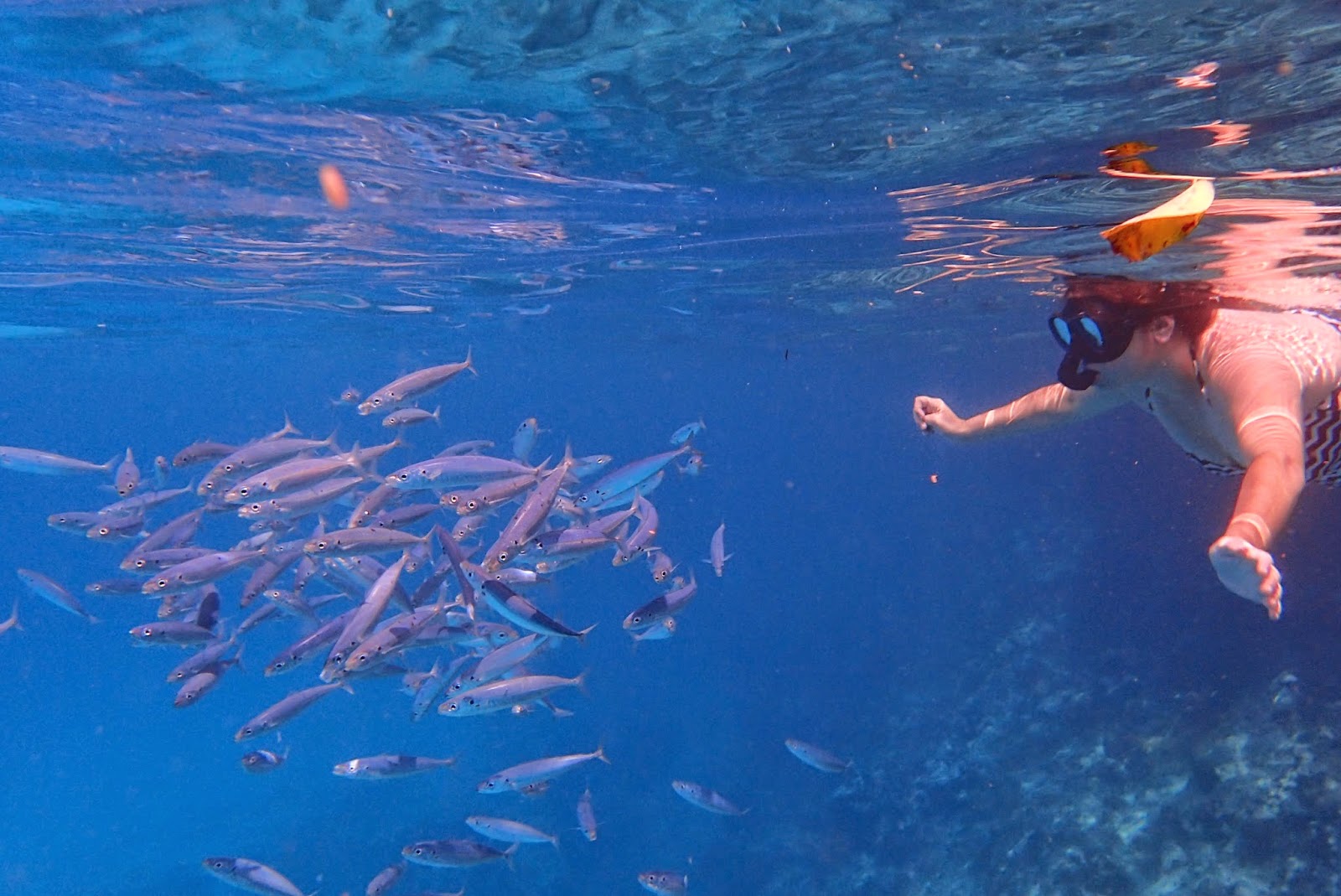
Our friend Adrianne communes with a school of fish.


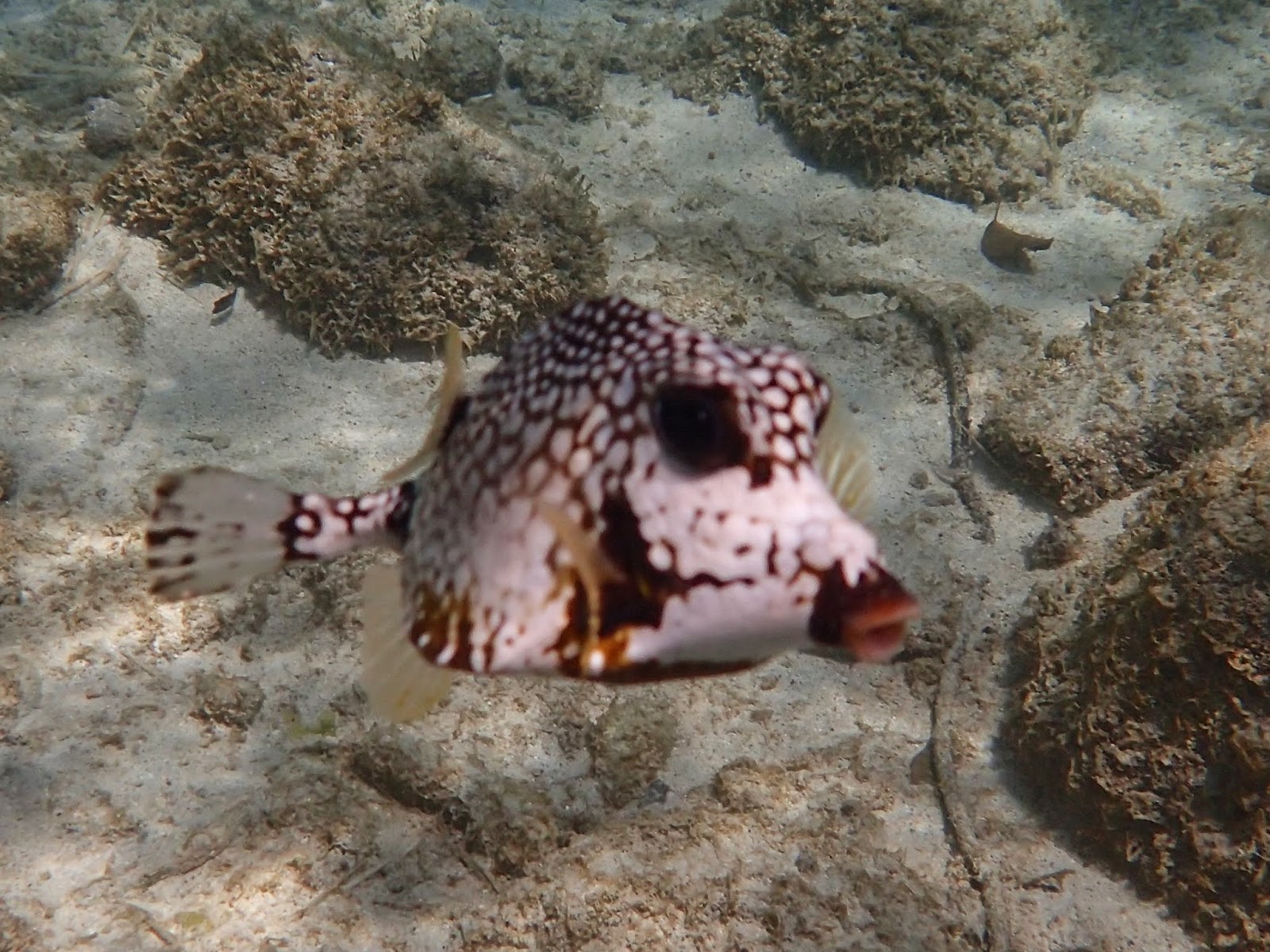
Box Fish

Chicken on Table

Sea Turtle

 Since Matt did not catch any fish, we bought some wahoo from the local fishmonger.
Barracuda for sale

T-Rex


Cryptic flounder

Monday, March 23, 2015

Chipa Paraguaya and Mbjeu: An afternoon of Paraguayan cooking

Chipa is a traditional bread eaten all over Paraguay and Northeastern Argentina.  It is eaten all year long, although it has a special place during Semana Santa (Easter).  As we are approaching Semana Santa, we decided to attempt to recreate one of the best foods Paraguay has to offer.  Chipa is made of mandioca (cassava) flour, butter, eggs, anise, salt, and queso Paraguayo.  (I've been told this cheese is similar to Manchego, which you can find in the U.S.)  Traditionally, it's baked in a clay oven called a tatakua.  We happen to have a tatakua and wanted to put it to use to make the deliciously chewy chipa that we all love.We also made some Mbeju, another Paraguayan specialty that has similar ingredients to chipa.
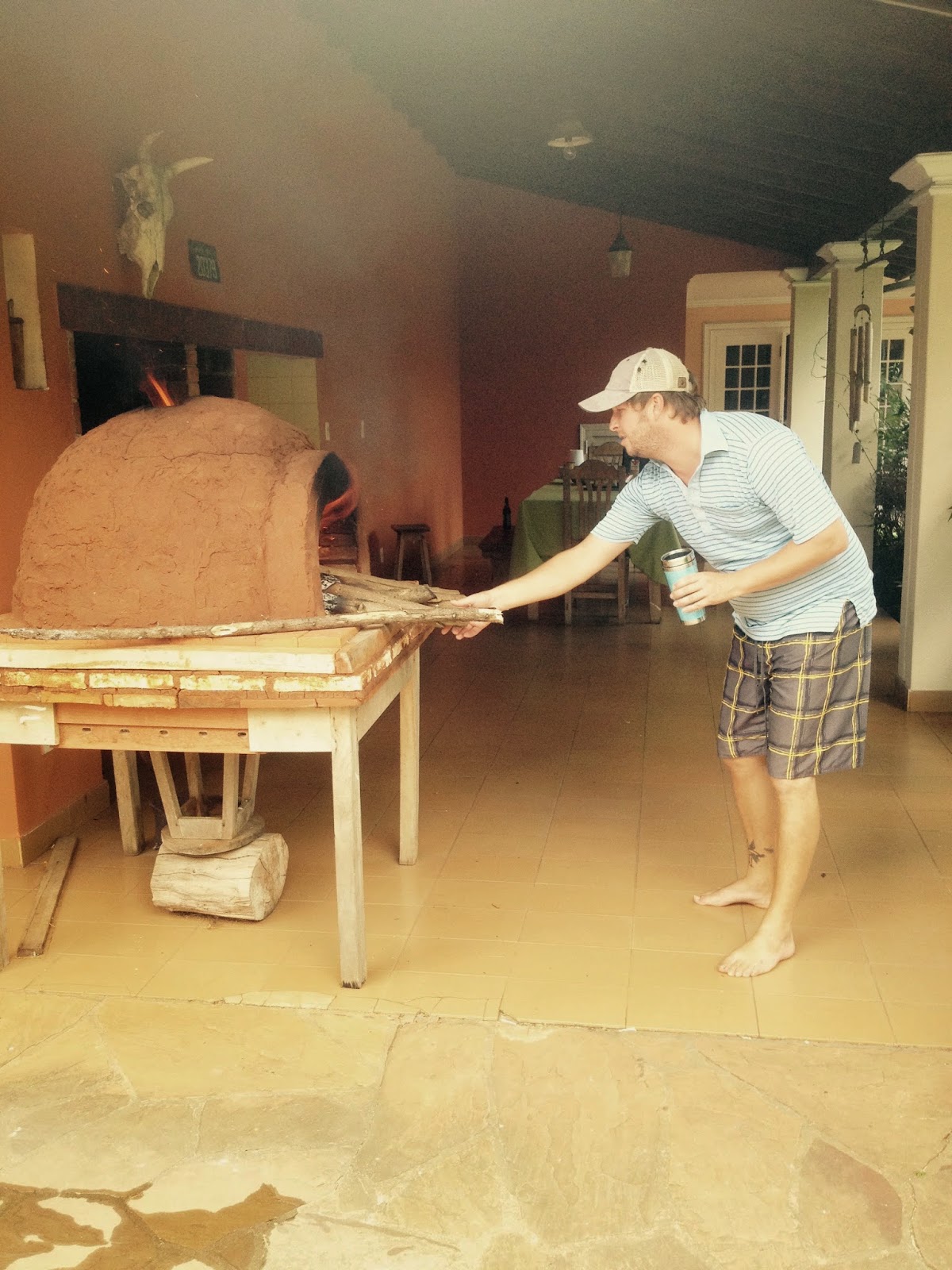
Matt preparing the fire in the tatakua.


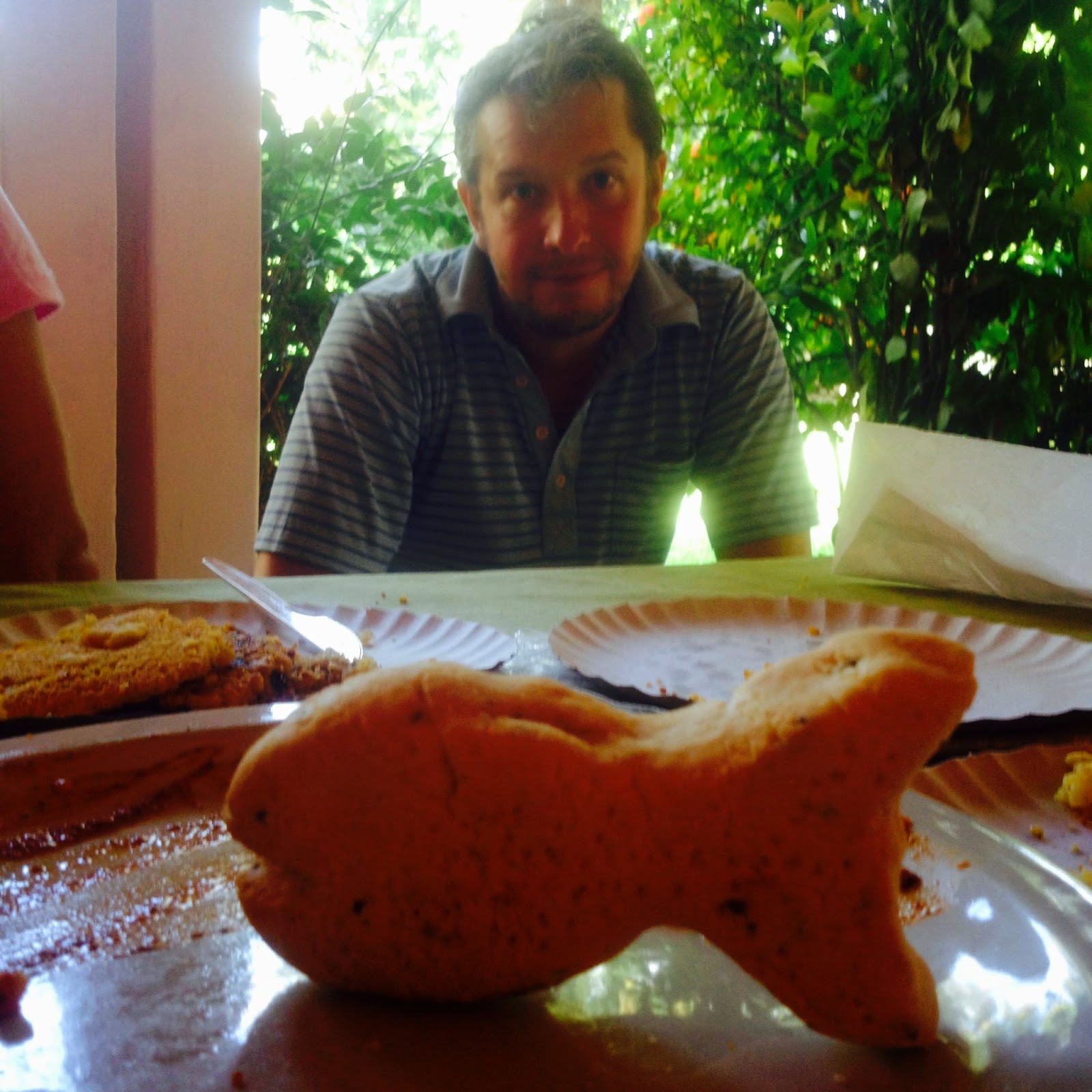
Chipa usually comes in a ring or a cylinder, except at Easter, when you can find animals, crosses, and all sorts of other things. We had hearts, smiley faces, and even a snowman! 
It took us a while to figure out the temperature, but it all tasted good!

This is Mbeju, a kind of mandioca flour pancake.  I put a twist on the traditional by adding chipolte peppers.