Monday, April 20, 2015

Bolivia: La Paz and Isla del Sol

Once again we are way behind on our travel blog.  These pictures go back to January when we were finishing our travels through Bolivia on our way to Peru.


Pedestrian walkway overlooking La Paz.

A girl feeds pigeons in the central plaza, La Paz


Llama fetuses from the Witch's Market in La Paz.  They are sometimes buried under fields or buildings for good luck.


A gateway at Tiawanaku, a pre-Columbian civilization near La Paz.


Lake Titicaca from Isla del Sol, Bolivia.


Panda bear fat, also from the Witch's Market.  I don't recall the specific curative properties.
Stone blocks from Tiawanaku.
Lake Titicaca and Copacabana, Bolivia


Sunday, April 12, 2015

Curacao, The Dutch Caribbean

I was lucky to be invited to represent my school at the annual conference for South American international teachers on the island of Curacao, part of the Dutch Caribbean.  After the conference, Matt, myself, and a friend from school were able to stay and vacation on the island.

We spent a week in a house on the NW part of the island.  My aunt and uncle flew down to spend some time with us...apparently dushi means nice or simpatico in Papiamentu  (a Caribbean language that is a mixture of Dutch, English, Spanish, Portuguese, and American Indian).

Wilemstaad: Curacao's main city.

Dawn in Westpunt.


 Matt went fishing with this local fisherman in his boat which was about the size of a bathtub.  They did not catch many fish but did see a lot of dolphins and had a nice time on the water.
We had a lot of beach time and did some snorkeling.


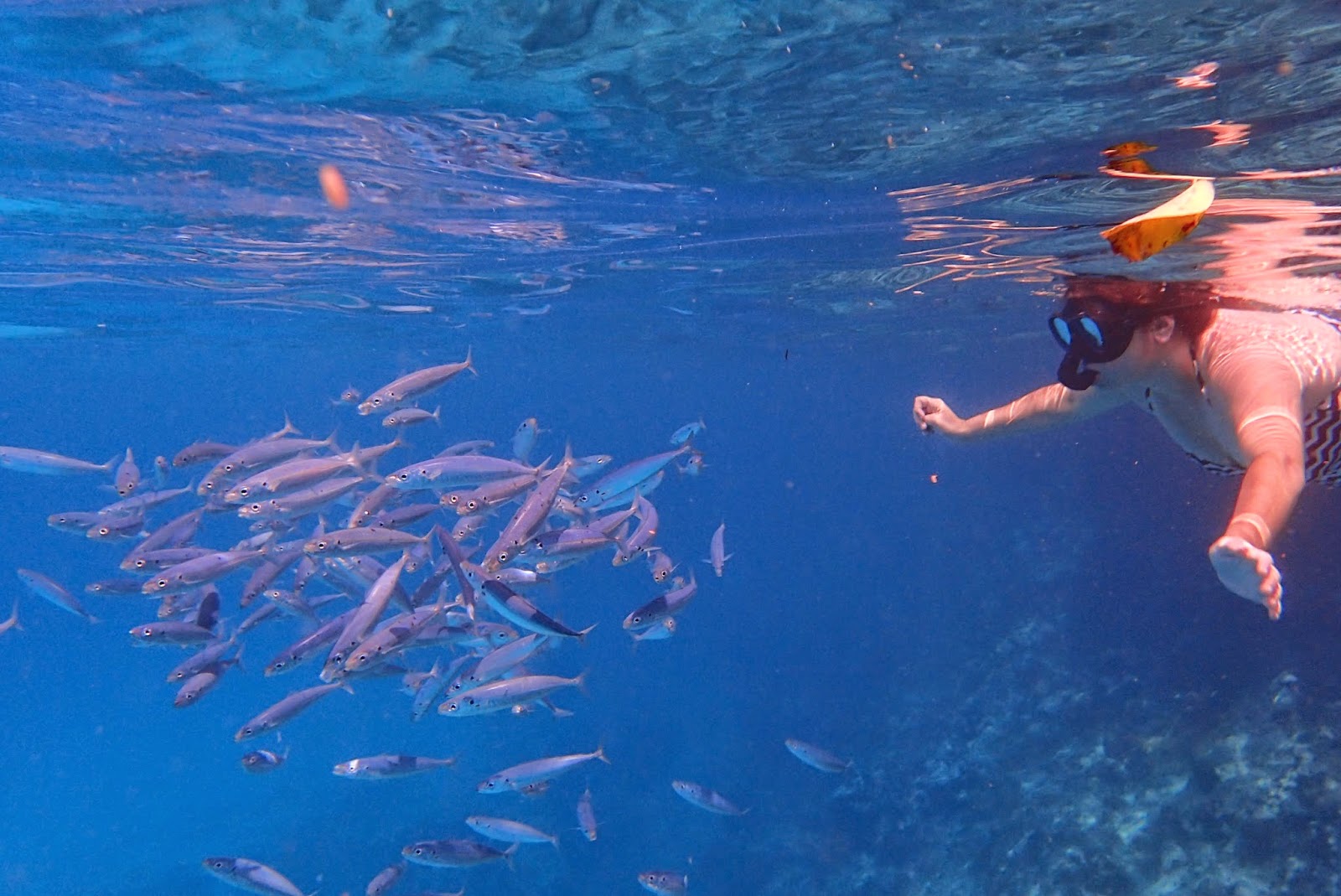
Our friend Adrianne communes with a school of fish.


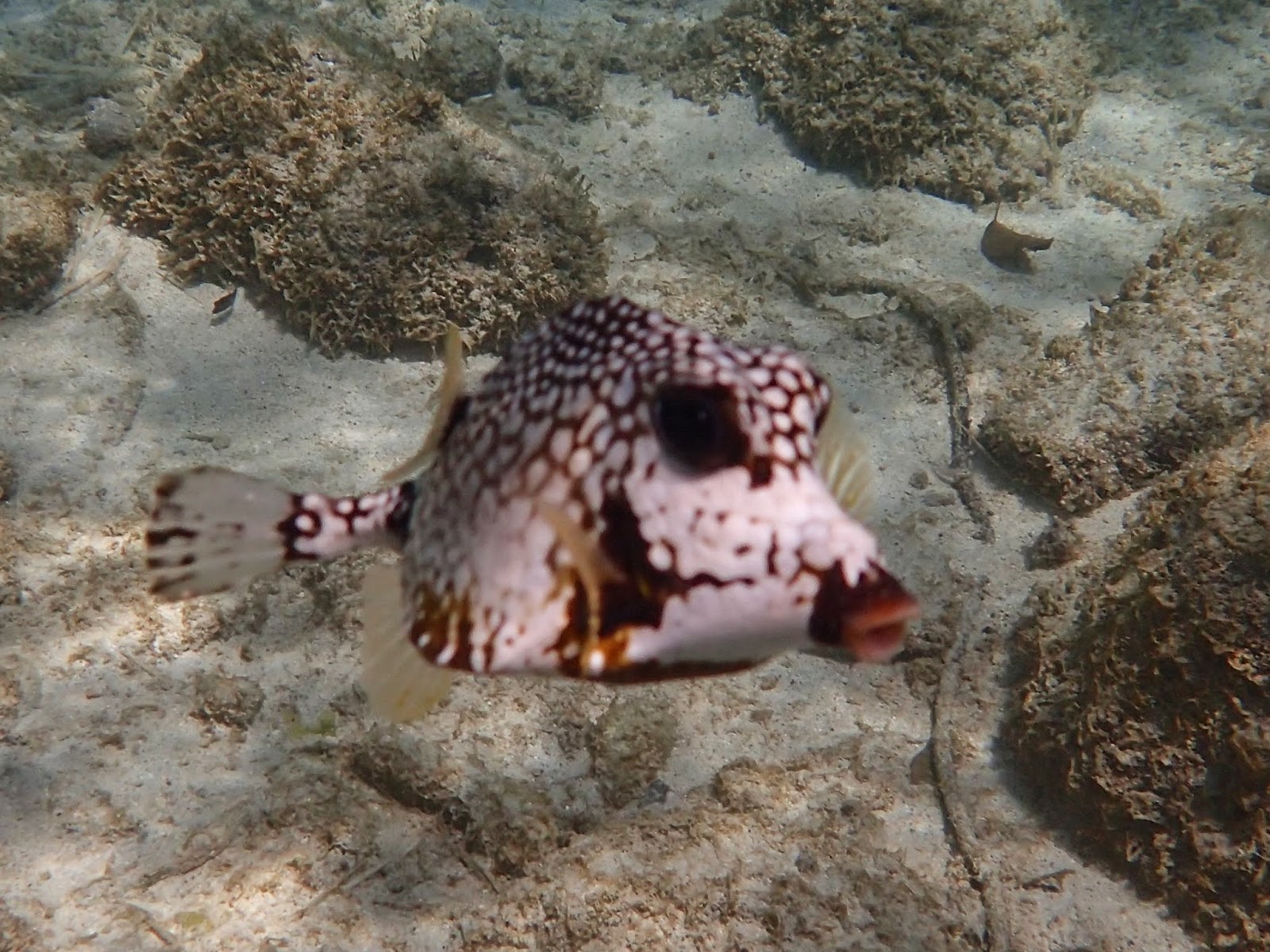
Box Fish

Chicken on Table

Sea Turtle

 Since Matt did not catch any fish, we bought some wahoo from the local fishmonger.
Barracuda for sale

T-Rex


Cryptic flounder

Monday, March 23, 2015

Chipa Paraguaya and Mbjeu: An afternoon of Paraguayan cooking

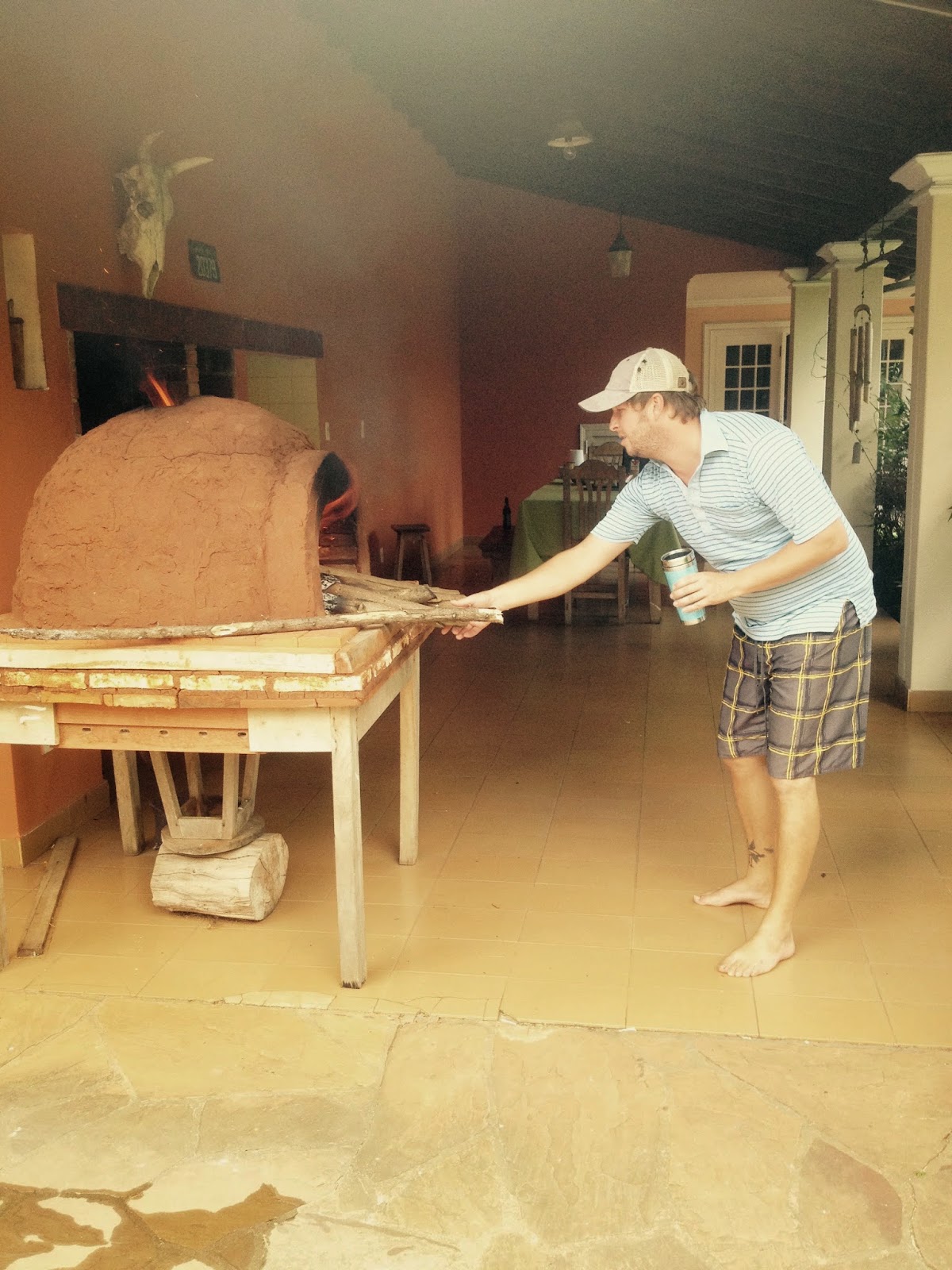
Chipa is a traditional bread eaten all over Paraguay and Northeastern Argentina.  It is eaten all year long, although it has a special place during Semana Santa (Easter).  As we are approaching Semana Santa, we decided to attempt to recreate one of the best foods Paraguay has to offer.  Chipa is made of mandioca (cassava) flour, butter, eggs, anise, salt, and queso Paraguayo.  (I've been told this cheese is similar to Manchego, which you can find in the U.S.)  Traditionally, it's baked in a clay oven called a tatakua.  We happen to have a tatakua and wanted to put it to use to make the deliciously chewy chipa that we all love.We also made some Mbeju, another Paraguayan specialty that has similar ingredients to chipa.
Matt preparing the fire in the tatakua.


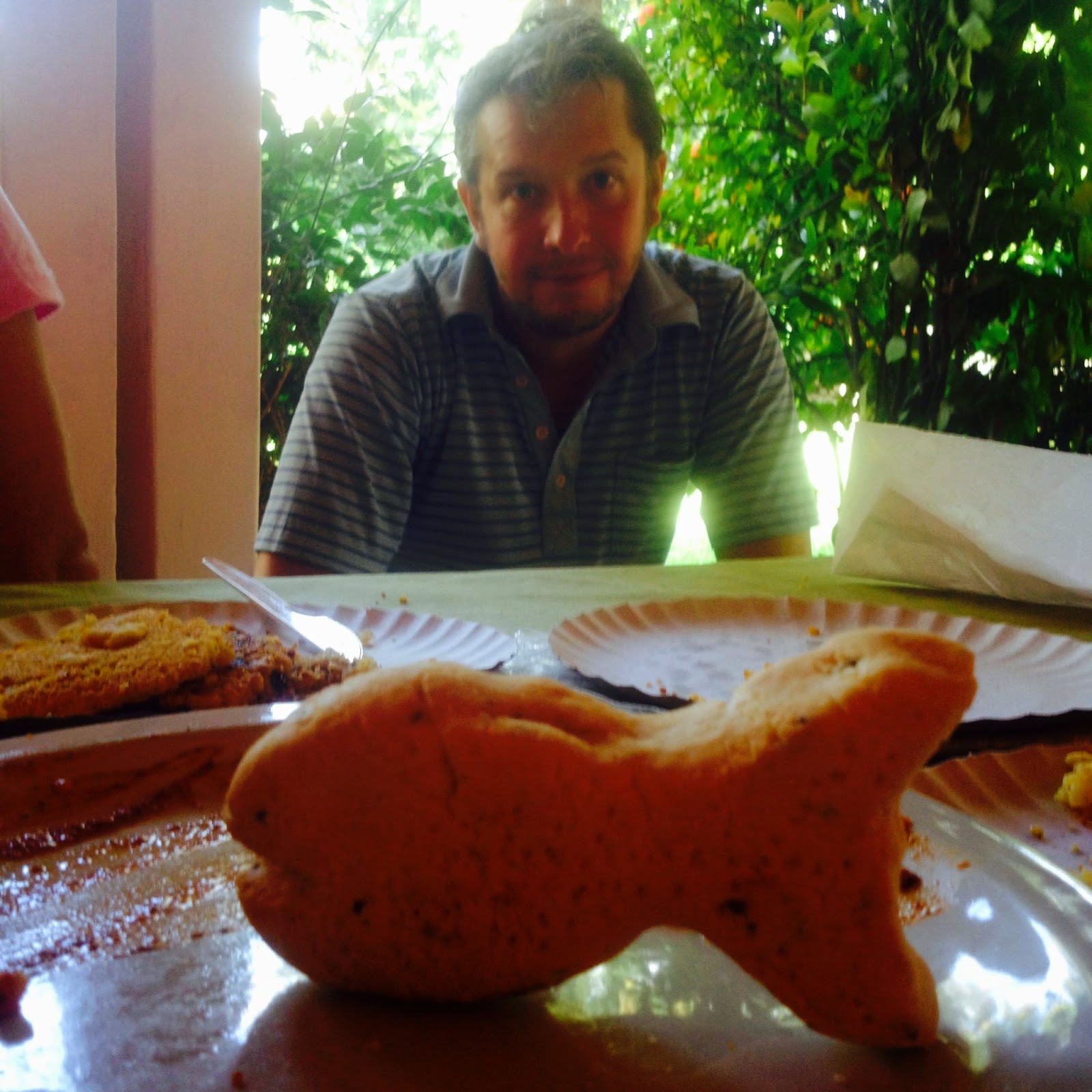
Chipa usually comes in a ring or a cylinder, except at Easter, when you can find animals, crosses, and all sorts of other things. We had hearts, smiley faces, and even a snowman! 
It took us a while to figure out the temperature, but it all tasted good!

This is Mbeju, a kind of mandioca flour pancake.  I put a twist on the traditional by adding chipolte peppers.


Wednesday, March 4, 2015

Salar de Uyuni and Eduardo Abaroa Andean Fauna National Reserve, Bolivia


Kristi and I have been back in Asunción for several weeks after an amazing two months of travel through Bolivia and Peru.  We are behind on our travel blog so it is time to get some photos up from the rest of our trip.  Our favorite part was a three day jeep tour we took through the mountains, desert, and salt flats west of Uyuni, Bolivia.
This area was unbelievably beautiful at every turn; rugged and remote.  It is a popular stop for people traveling through southern Bolivia and we would highly recommend it to anyone.  We didn't see any climbers but it looks like a great bouldering destination.


One of many salt lagoons in the area.

One of several flat tires we got along the way.  We also lost a muffler.
One of the dormant volcanoes emerging out of the desert.  Some parts of the tour were above 4,000 meters. (over 14,000 feet)
Steam vents in the geothermal area of Sol de Mañana.

Another lagoon
One of thousands of flamingos in the lagoons.
Kristi poses on the tracks.  Most of the Bolivian railway has fallen out of use.  We were told these are still used once a week to take minerals from Bolivia into nearby Chile.
The second night we slept in a hotel constructed partially from salt blocks.


On our third day we entered the salt flat after there had been a rain storm the previous night.  The water over the salt created a mirror-like appearance. 

Isla Incahuasi, an island made of old coral and covered in cactus emerges from the middle of the salt flat.
Taking funny perspective photos is a popular activity on the salt flat.


The train grave yard, on the outskirts of Uyuni.
A salt monument celebrating the Dakar Rally, a cross country race for trucks and motorcycles through Bolivia, Chile, and Argentina.
The vicuna, one of the few large animals adapted to the Bolivian highlands. It is wild and illegal to hunt.
Kristi drapes herself in the Paraguayan flag in front of a popular salt hotel.
More boulders

Another lagoon

Funnel cloud
Mud pots at Sol de mañana


Another lagoon

"I need a mechanic with experience"